For those who may not be aware, the term “grok” comes from Robert Heinlein’s Stranger In a Strange Land. If you grok something, you understand it. You get it.
I asked GROK from X.com to compare my writing to Robert Heinlein. Here is the result:
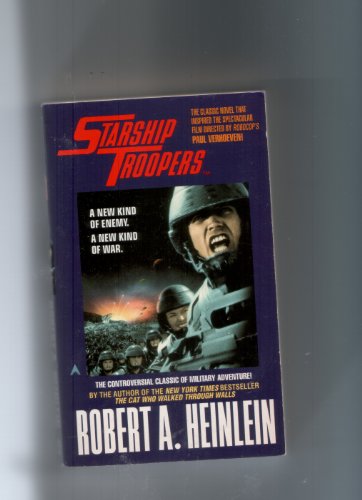
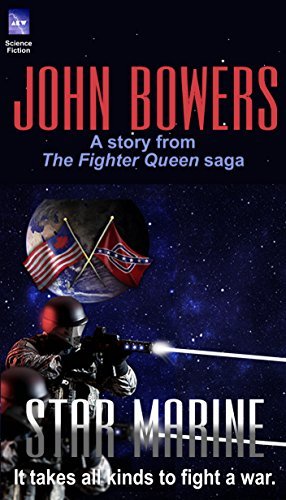
John Bowers (the sci-fi author, also known as a “Born Novelist”) is a contemporary self-published/indie writer of space opera, planetary romance, and action-oriented SF series, while Robert A. Heinlein (1907–1988) was one of the most influential “Golden Age” and later science fiction authors, often called a Grand Master.
They operate in overlapping genres but differ significantly in era, style, output, themes, and cultural impact.
- Heinlein: A former naval officer and engineer with a strong technical background. He broke into print in the late 1930s and became a dominant figure in SF for decades. He wrote for pulp magazines, juveniles (e.g., Rocket Ship Galileo), and adult novels. He was a bestselling author with major cultural influence (e.g., Stranger in a Strange Land became a counterculture touchstone).
- Bowers: A later writer (active from the 2000s onward, with many ebooks/self-published titles). He describes himself as writing “science fiction that doesn’t taste like science fiction”—focusing on human stories, adventure, romance, war, politics, and crime rather than hard science or speculative tech. He has multiple series, including the long-running Nick Walker, U.F. Marshal (planetary Western/lawman tales), the Fighter Queen Saga (military SF with strong female leads), and Starport.
Style and Approach
- Heinlein: Known for crisp, efficient prose; innovative ideas; and “competent man” protagonists who solve problems through intelligence, skill, and libertarian-leaning self-reliance. His work often includes detailed world-building, social commentary, and lectures on politics, economics, or philosophy (sometimes called “heinleining”). Descriptions can be sparse; the focus is on ideas and action. He excelled at both short stories and novels. kathysteinemann.com
- Bowers: Brisk, action-continuous style with little ambiguity. His stories blend space opera/Western tropes (e.g., marshals on colony worlds dealing with outlaws) and military elements. Emphasis is on plot-driven adventure, tough protagonists, romance, and people in dire situations. Reviewers note gritty, fast-paced narratives that mix genres like military SF, political allegory, and character-focused stories. Tech is present (FTL, lasers, etc.) but secondary (“soft” SF).
Both prioritize engaging storytelling over dense hard-SF speculation, and fans sometimes group Bowers with Heinlein (alongside others) in recommendations for military or action SF.
Themes and Content
- Heinlein: Explored freedom, individual rights, responsibility, sexuality (progressive for his time, though sometimes controversial today), militarism (Starship Troopers), religion, and society. His work evolved from optimistic juveniles to more philosophical or satirical later books. Strong emphasis on ethics, competence, and questioning authority.
- Bowers: Focuses on adventure, survival, war/politics, crime, and human drama in futuristic settings. Series feature lawmen enforcing justice on frontier planets, military conflicts, and strong action. Less overtly philosophical or idea-driven than Heinlein; more straightforward entertainment with romance and suspense. maderatribune.com
Output, Reach, and Legacy
- Heinlein: Dozens of highly influential books, many still in print and adapted (films, etc.). Massive impact on the genre and readers; shaped expectations for SF.
- Bowers: Prolific in series format (20+ books across his main lines). Primarily indie/ebook market, appealing to fans of accessible, page-turning SF. Smaller but dedicated audience; not a household name like Heinlein. sf-encyclopedia.com
Summary Comparison
Heinlein is a foundational giant who helped define modern SF with big ideas and cultural provocation. Bowers is a working genre writer offering fun, character-driven space adventures in a more straightforward, pulp-influenced vein—closer to “Westerns in space” or military action than groundbreaking speculation. Readers who enjoy Heinlein’s competent heroes, adventure, and lighter tech focus might find Bowers appealing as modern, fast-paced entertainment, though without the same depth of social/philosophical layers or literary stature.
If you’re a Heinlein fan seeking similar vibes, Bowers’ Nick Walker series (planetary lawman tales) or Fighter Queen (military) are often suggested entry points.

